

Quick answer: A humming, droning, or rumbling noise from the rear of your Haldex-equipped car — one that rises with road speed and doesn’t change when you press the clutch or shift to neutral — very often points to worn bearings in the rear differential. It’s a wear item we see regularly across Haldex Gen 2 to Gen 5 vehicles (VW, Audi, SEAT, Škoda, Volvo, Ford, Land Rover and more), and caught early it’s a repairable fault: the bearings can be replaced without replacing the whole rear differential.
Written by the Eco Torque workshop team — transmission and driveline specialists, Bedfordshire. Last reviewed July 2026.
What’s actually wearing out
On Haldex-based all-wheel-drive systems, the rear differential does the everyday work of turning drive from the propshaft through 90 degrees to the rear wheels. Inside it, a set of tapered roller bearings supports the pinion and the differential carrier. Over time — and especially where the oil has never been changed, has degraded, or moisture has found its way in — those bearings develop wear on their rollers and races. Once the surface finish goes, the bearing generates noise under load, and it only travels in one direction from there.

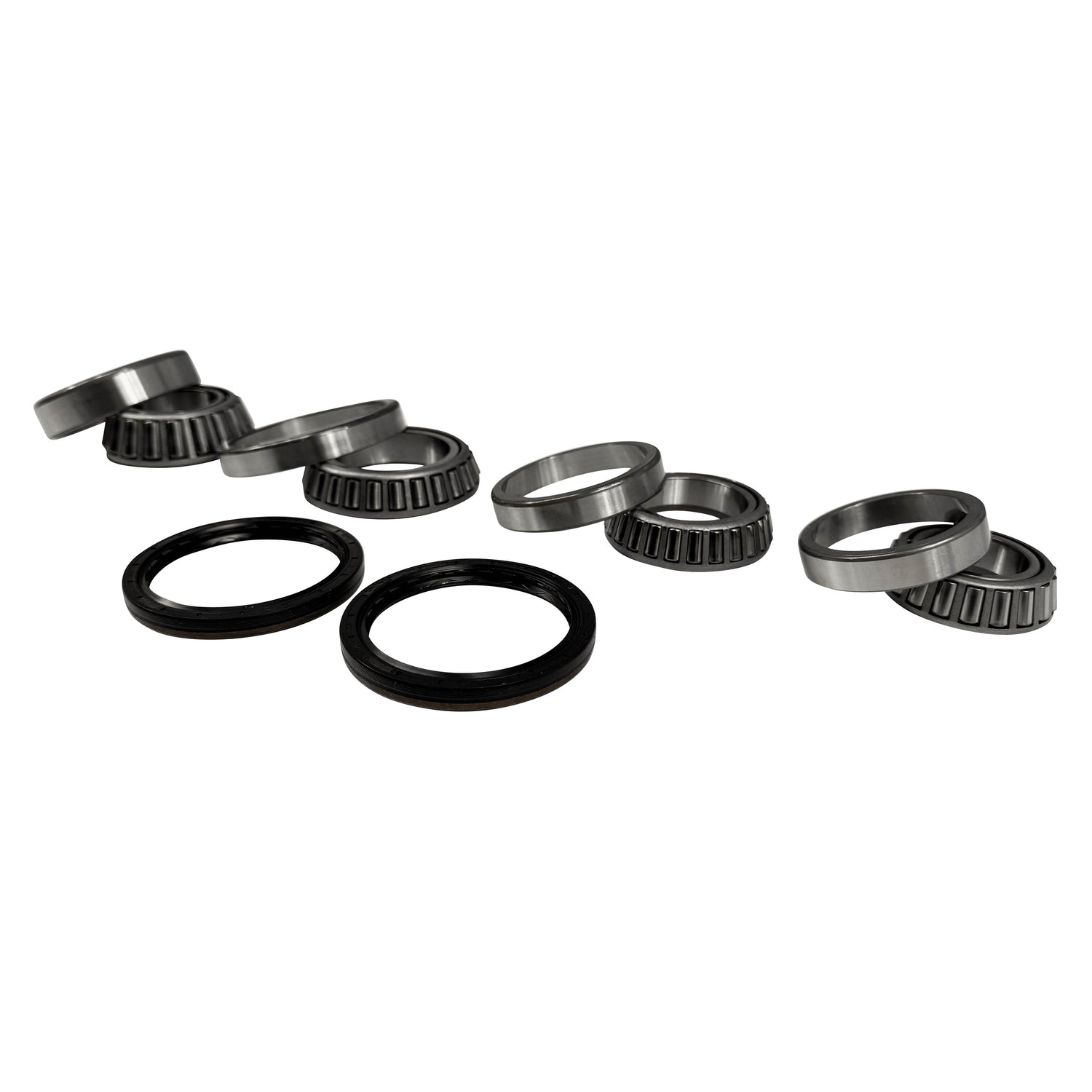
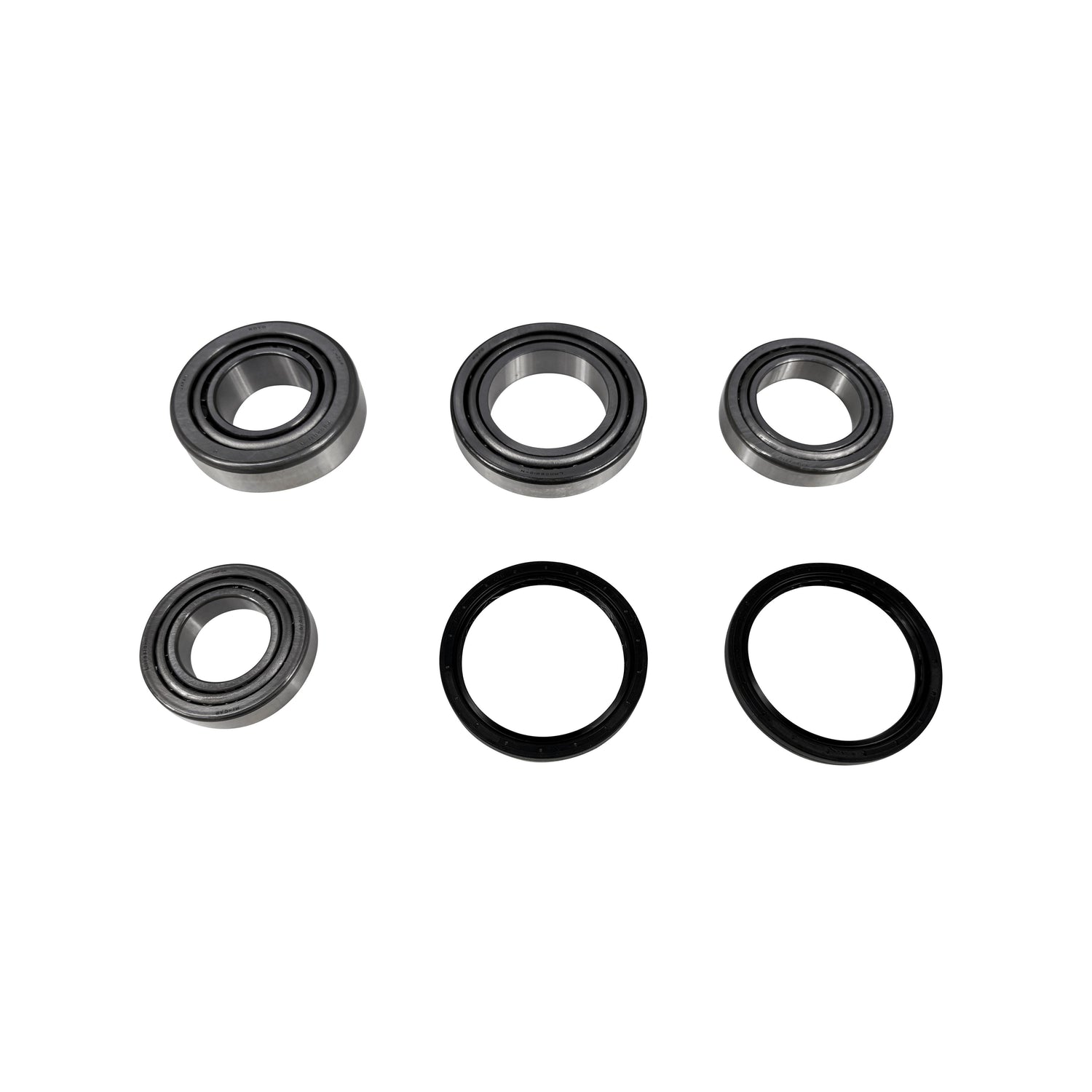
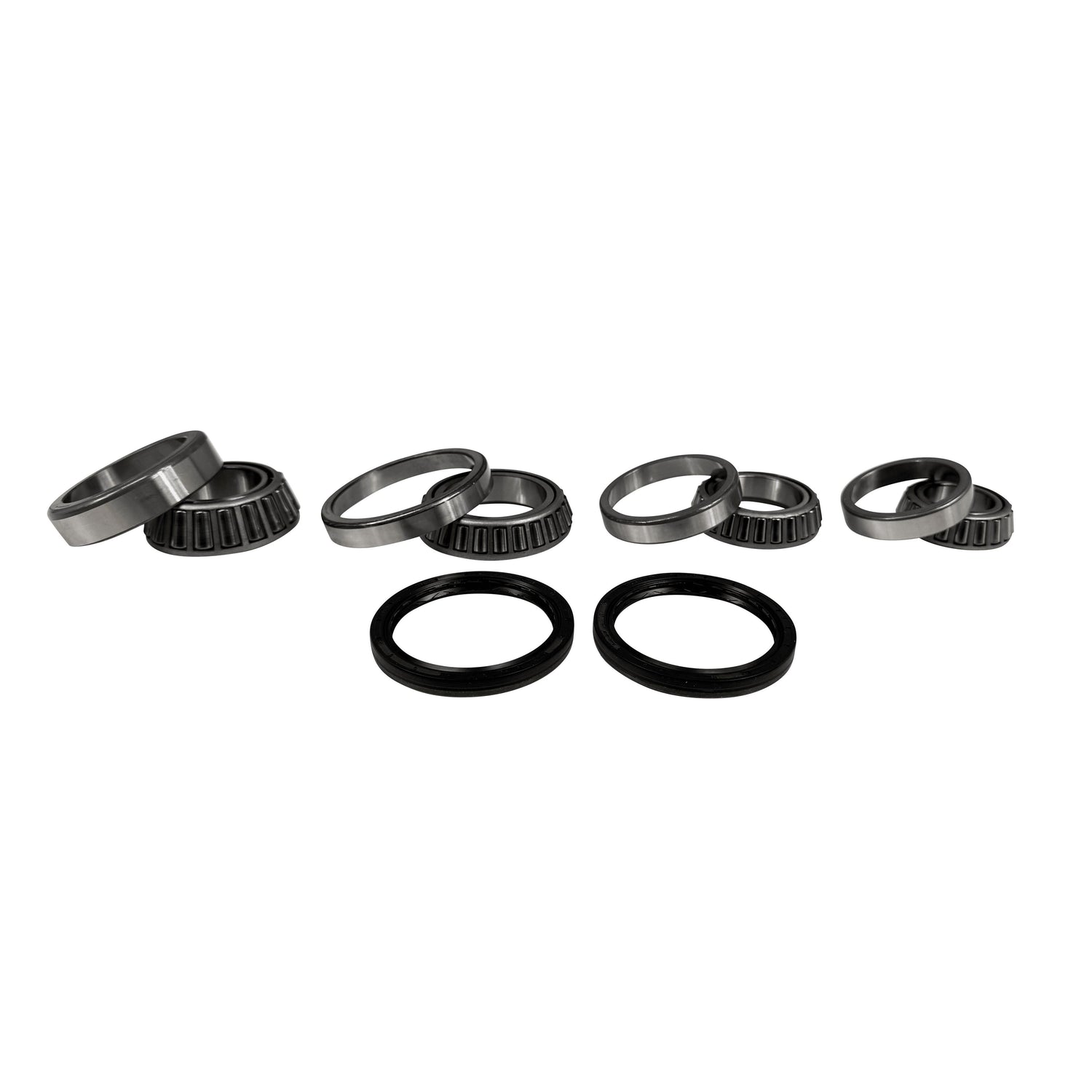
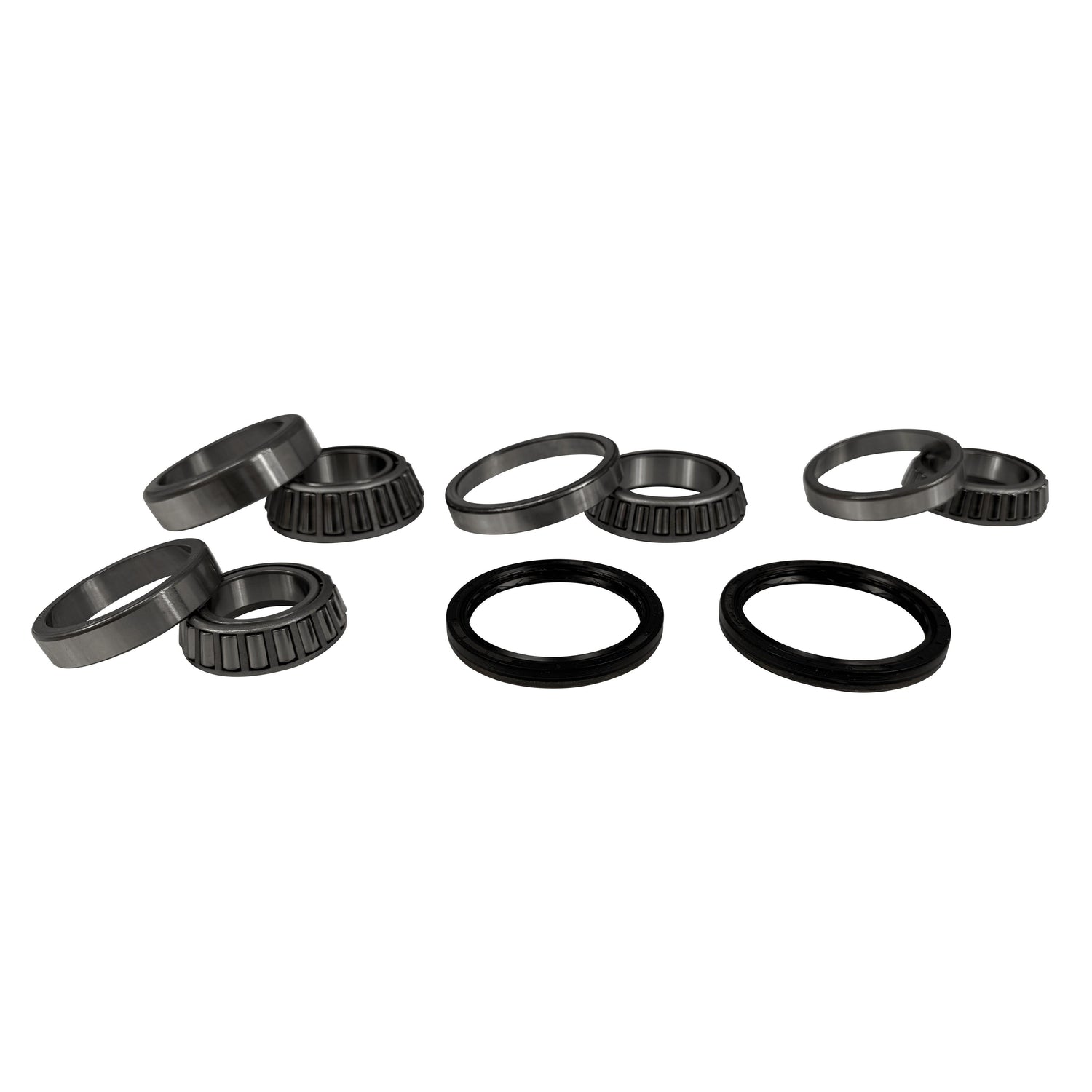
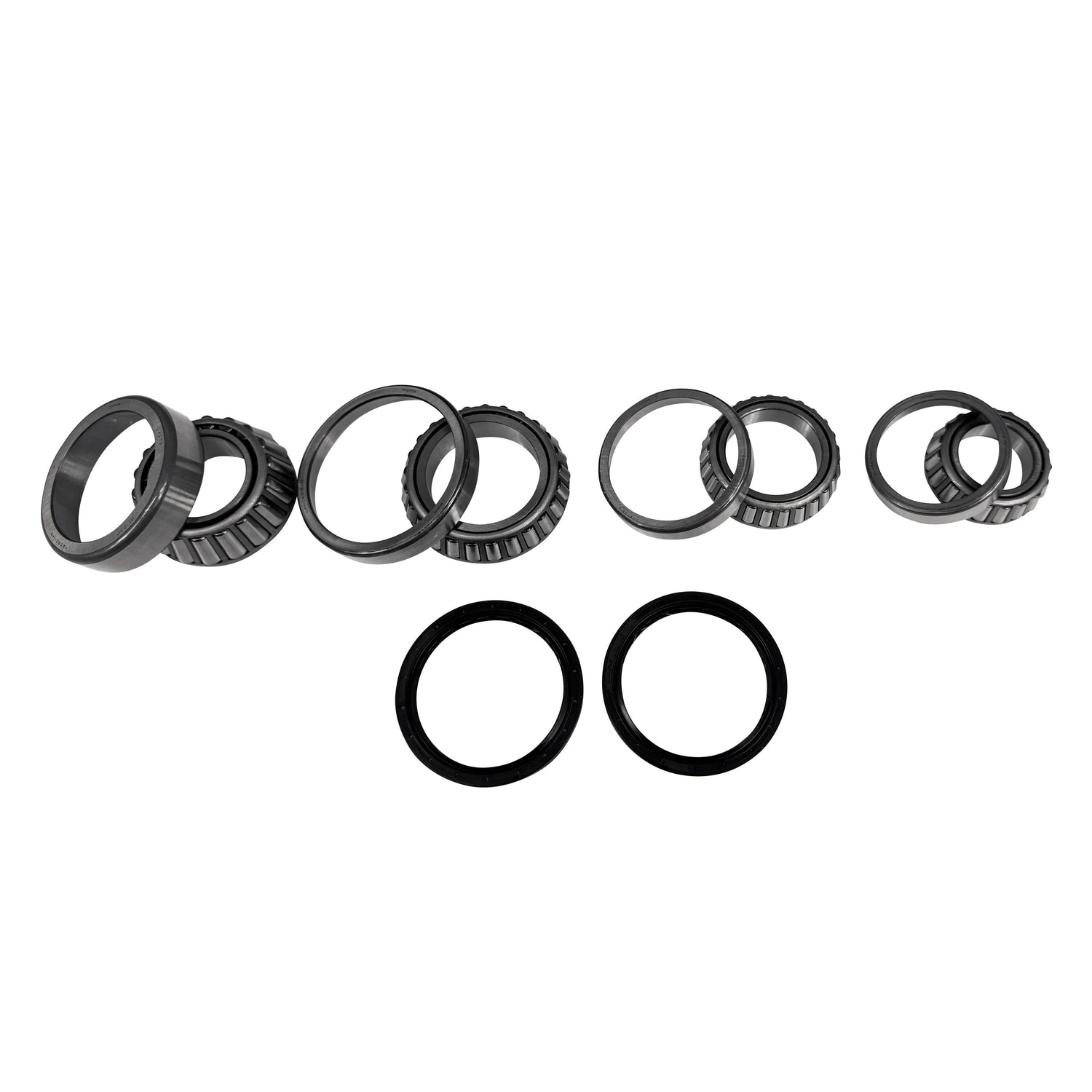
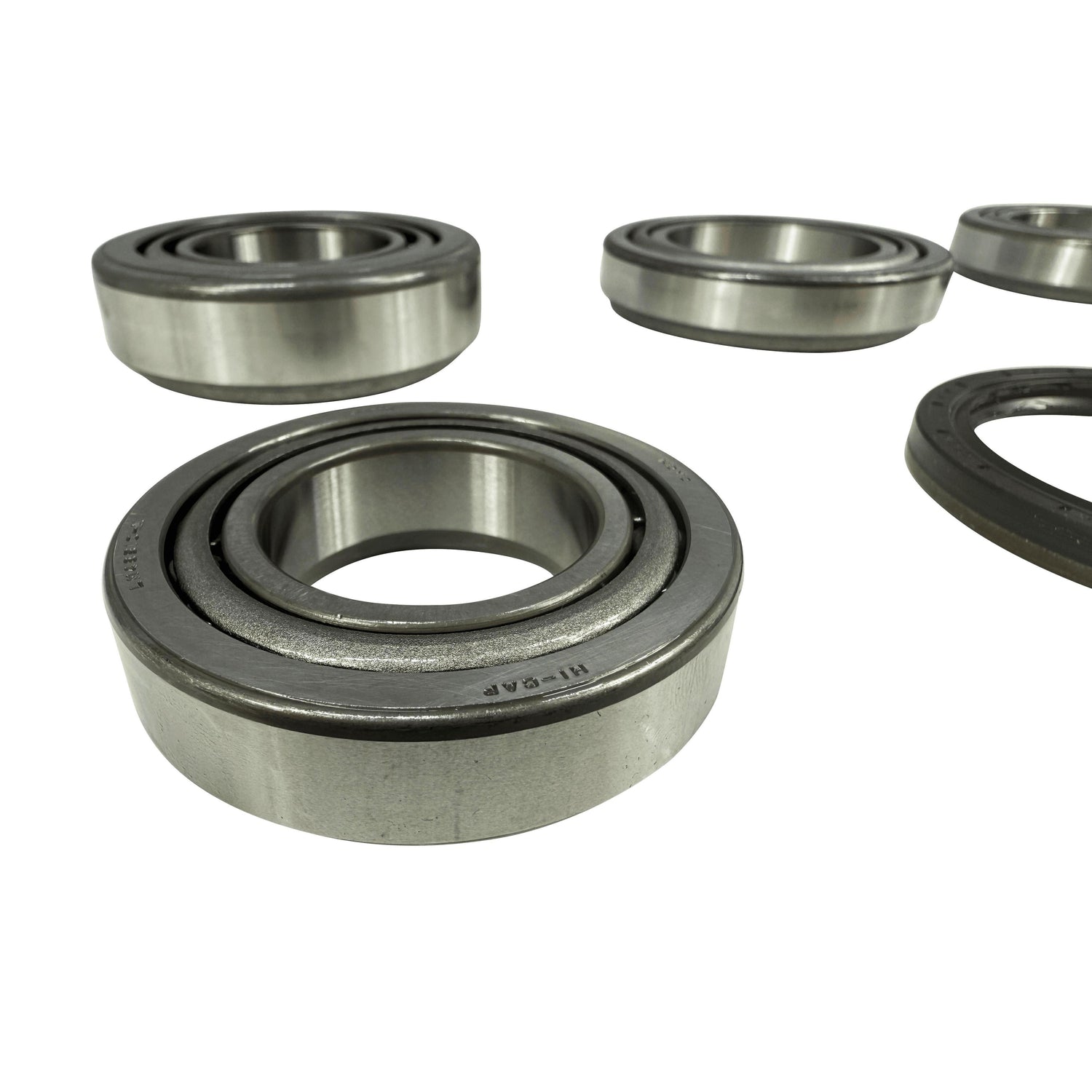
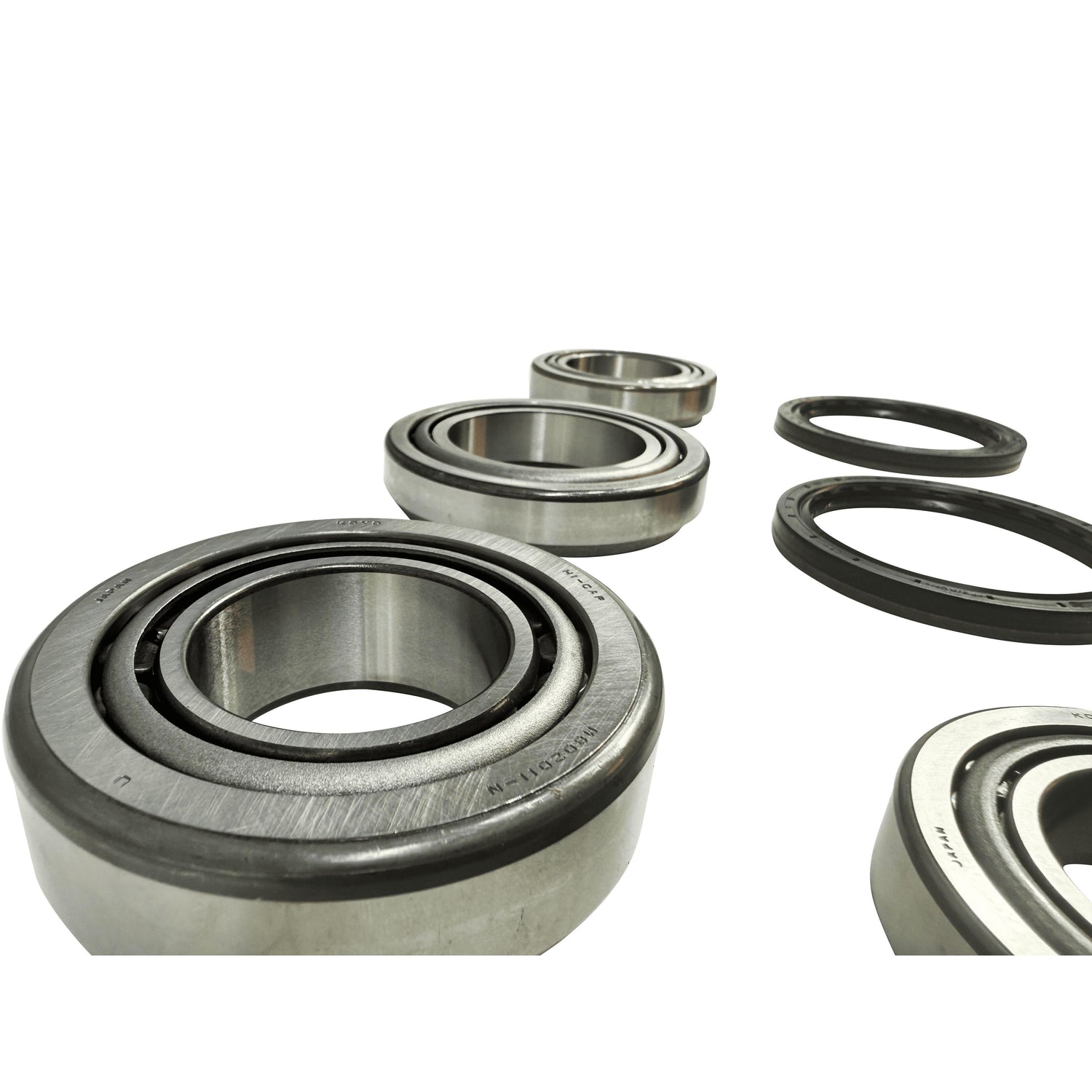
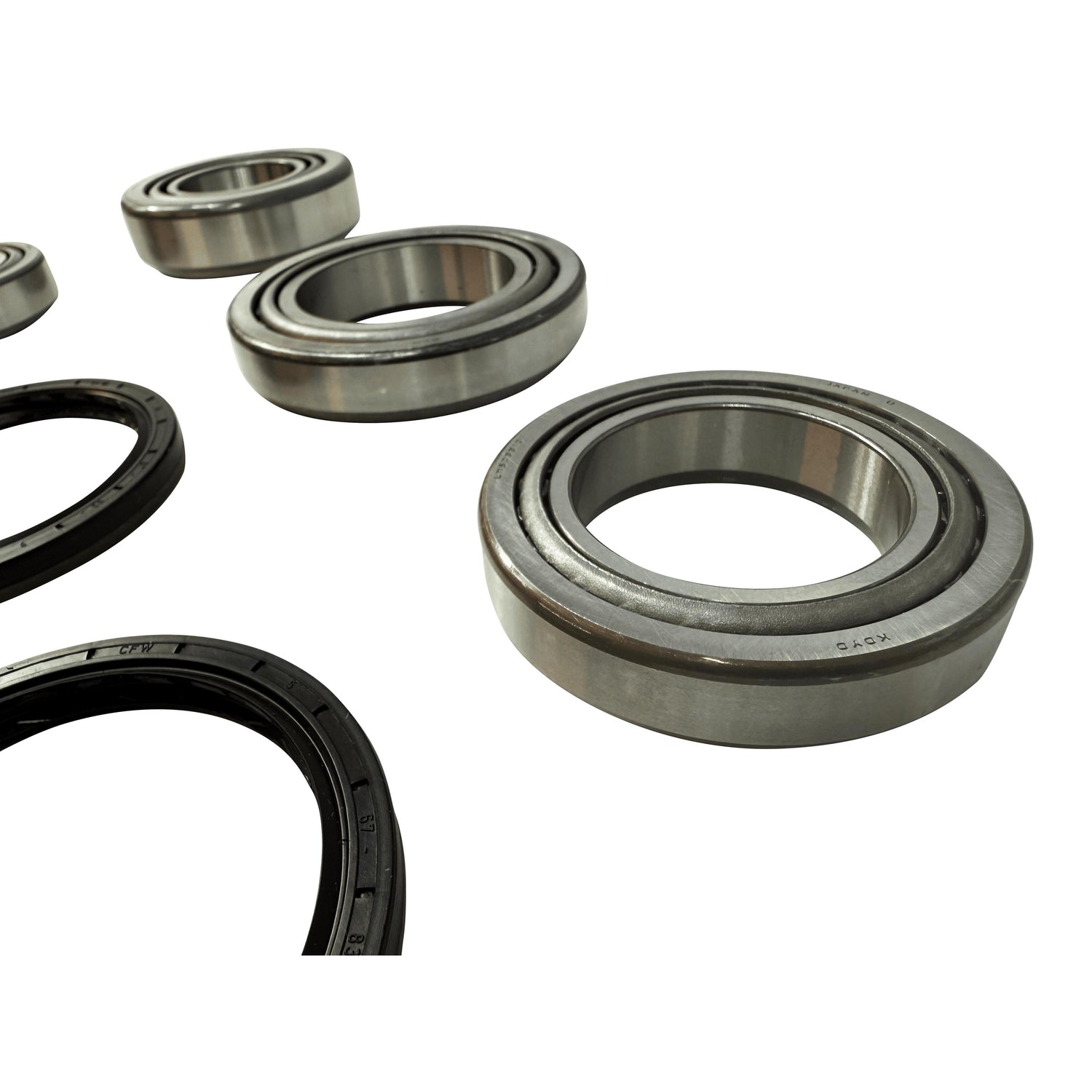
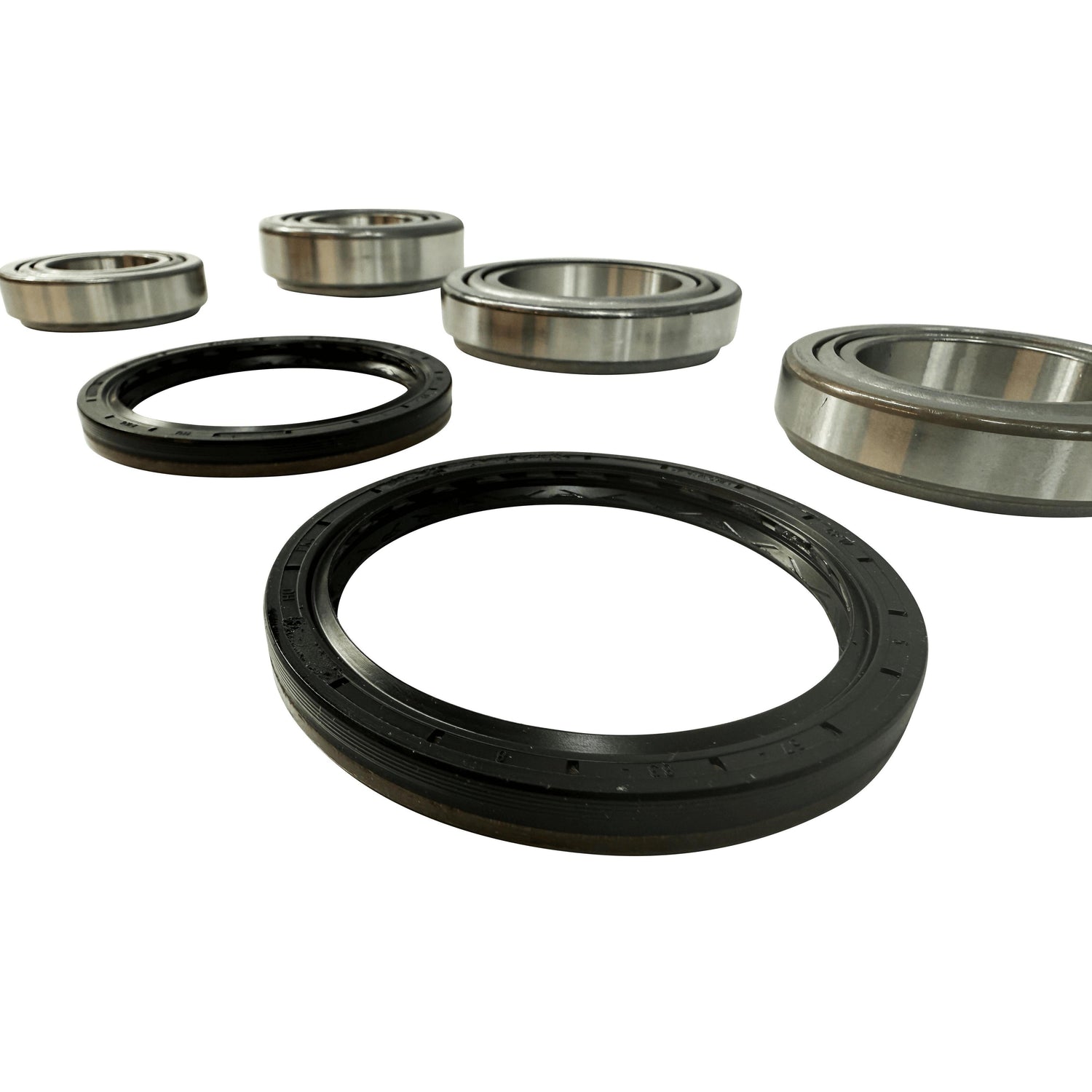
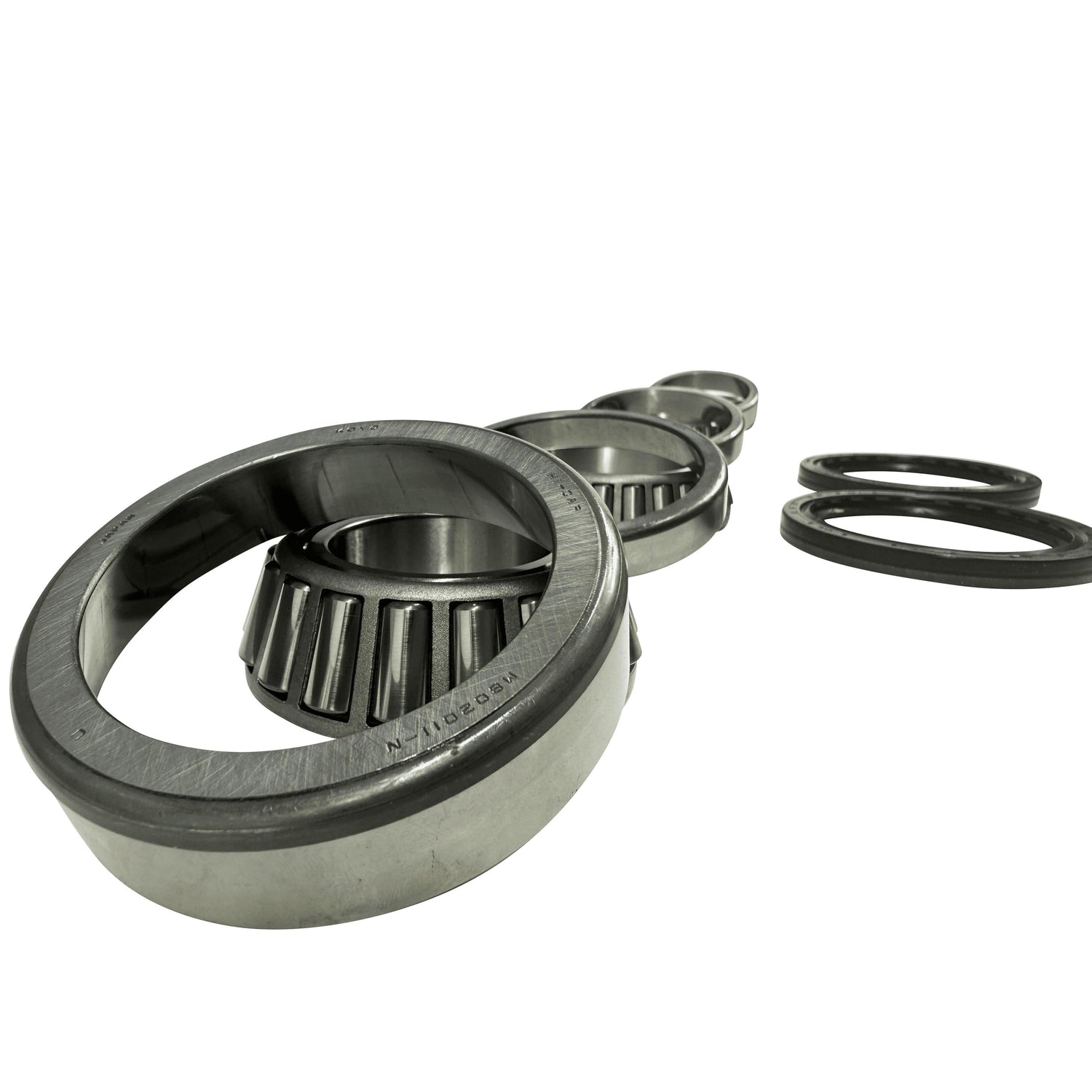
A tapered roller bearing of the type that supports the pinion and carrier in the rear differential
Symptoms of failing rear differential bearings
- A hum, drone, or rumble from the rear of the car that increases with road speed
- Noise that stays the same in neutral or with the clutch down — it tracks wheel speed, not engine speed
- Noise that changes on part-throttle vs overrun or when cornering (load shifting across the bearings)
- In later stages, a growl or whine that’s hard to ignore on the motorway
- In advanced cases, play at the pinion flange or oil weeping past the pinion seal
Because the noise builds gradually, many owners live with it for months. The risk of leaving it is that a worn bearing lets the pinion and crownwheel run out of their designed mesh — and once the gear teeth themselves are damaged, a bearing-level repair is no longer on the table.
Is it the bearings, the tyres, or a wheel bearing?
This is the classic mix-up, and it’s worth ruling out properly before any parts are ordered. Aggressive or unevenly worn rear tyres and failing wheel bearings both produce a similar speed-related drone. In the workshop we differentiate by listening on load change, checking each wheel bearing for play and roughness, and where necessary running the car on the lift to isolate where the noise is actually coming from. Proper diagnosis first — then the repair.
The fix: bearing kit, not a whole differential
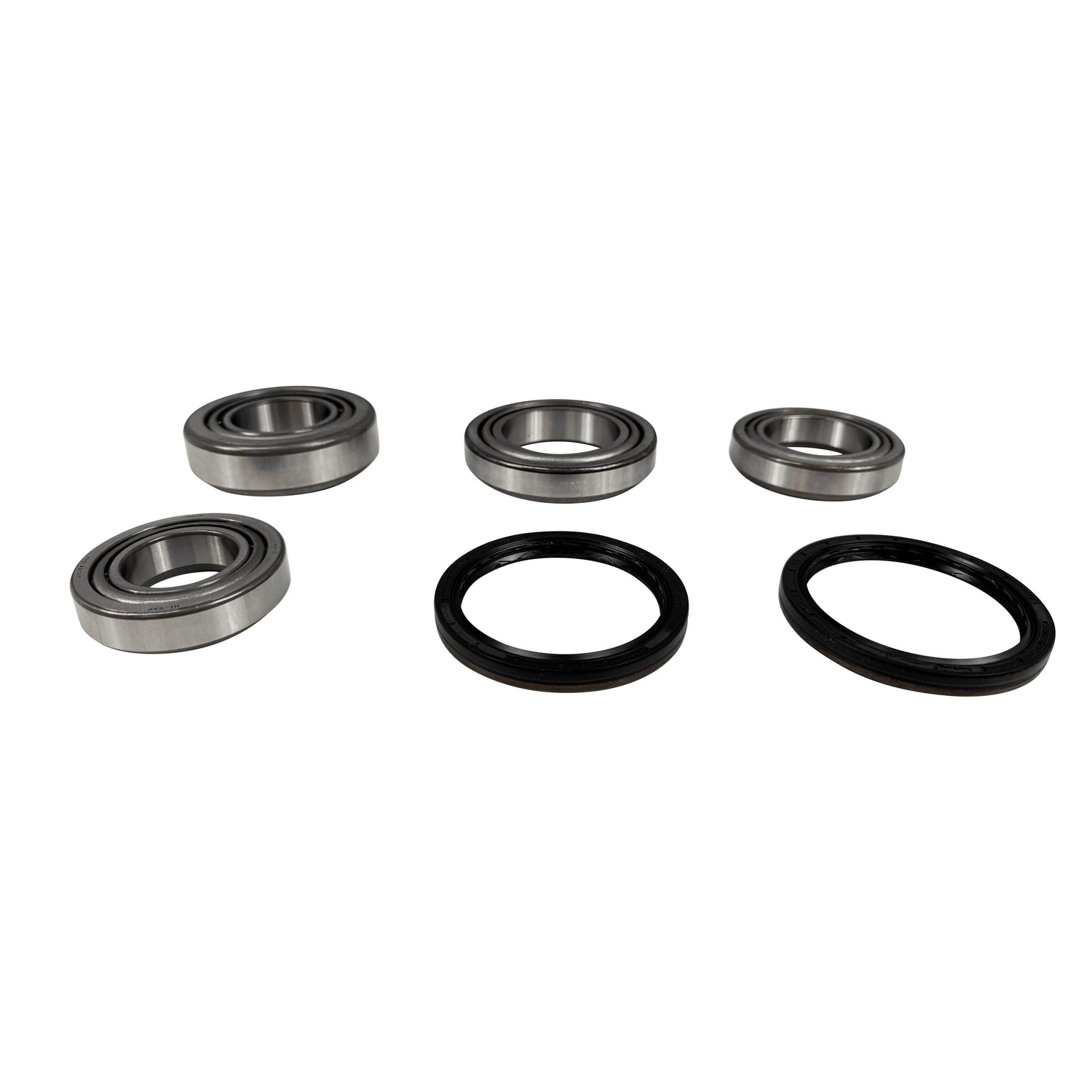
Caught before the gear set is damaged, the economical repair is a rear differential bearing kit — new pinion and carrier bearings (and seals) fitted with the preload and backlash set correctly. That last part matters: these differentials are set up with precise bearing preload, and getting it wrong finishes the new bearings off quickly. It’s a job for a workshop with the right tooling and experience rather than a driveway repair.
We stock a complete Haldex rear differential bearing kit covering Gen 2 through Gen 5 units (0CQ and more) and can either supply the kit or carry out the complete repair in our workshop — diagnosis, strip-down, bearing replacement, correct preload set-up, and fresh oil.

How Eco Torque can help
- Diagnose the noise properly — differential, wheel bearing, or tyres — before you spend anything
- Supply the bearing kit for your Haldex generation, confirmed against your VIN
- Carry out the full repair with correct preload and backlash, plus a Haldex oil and pump health check while the unit is with us
If your all-wheel-drive VW, Audi, SEAT, Škoda, Volvo, Ford, or Land Rover has developed a rear-end drone, send us your registration or VIN and a short description of the noise and we’ll point you in the right direction.
Frequently asked questions
What does a failing rear differential bearing sound like?
A hum, drone, or rumble from the rear that rises with road speed and continues in neutral. It often changes character on and off the throttle or when cornering.
Can I keep driving with a noisy rear differential?
For a short time, usually — but the longer a worn bearing runs, the greater the chance the pinion and crownwheel mesh is damaged, which turns a bearing repair into a full differential replacement.
Do I need a whole new rear differential?
Not if it’s caught early. If the gear set is undamaged, a bearing kit fitted with the correct preload restores the unit at a fraction of the cost of a replacement differential.
Why did the bearings fail in the first place?
Age, mileage, degraded or contaminated oil, and water ingress are the usual causes. Regular differential and Haldex oil changes are the best prevention.