This collection brings together DSG and S tronic mechatronic units, related components and supporting transmission parts across a wide range of VAG applications. It is designed for customers who are trying to diagnose faults, identify the correct replacement or narrow down the right gearbox-specific product before ordering. By grouping the main gearbox families in one place, this page makes it easier to shop by transmission type rather than searching individual parts without the wider context.
What DSG mechatronics do
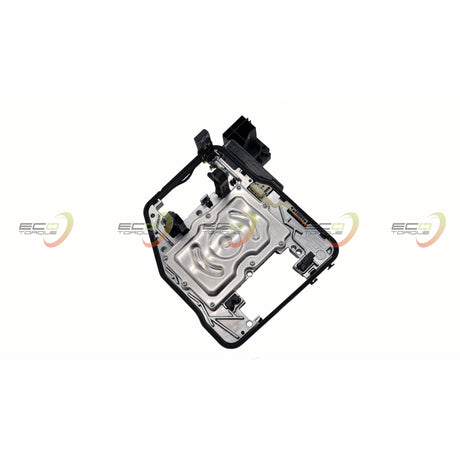
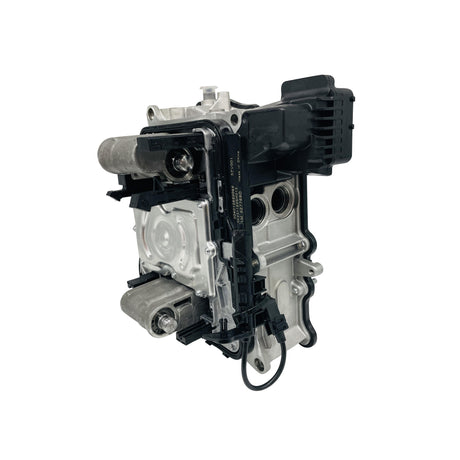
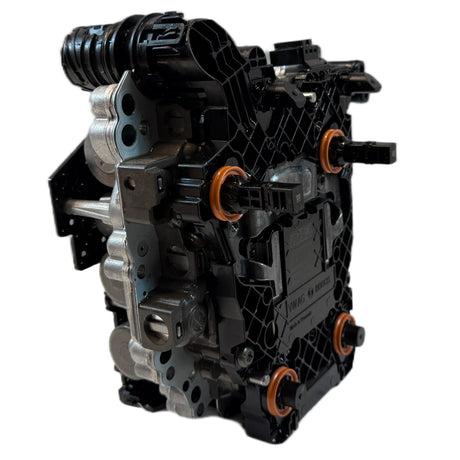
The mechatronic is the control centre of the gearbox. It combines electronic control with hydraulic operation to manage gear selection, clutch actuation and overall shifting behaviour. When the mechatronic is working correctly, the gearbox is able to shift quickly and smoothly. When faults develop, the symptoms can range from minor shift irregularities through to warning lights, loss of drive or engagement problems.
DSG gearbox families covered in this collection
This main collection can include mechatronic-related products for a range of DSG and S tronic gearbox families. That may include DQ200, DQ250, DQ381, DQ500, DQ400e, DL501 and DL382, along with related components and supporting parts. The purpose of this page is to give customers a wider starting point before they move into the correct gearbox-specific collection or product type.
Common DSG mechatronic faults
DSG faults are not always caused by the same internal issue, which is why correct diagnosis matters. Depending on the gearbox family and fault pattern, problems may involve hydraulic pressure concerns, internal control faults, sensor-related issues, wiring concerns, solenoid-related failures or other mechatronic-related problems. In some cases the fault may sit within the mechatronic itself, while in others a supporting component may be contributing to similar symptoms.
Symptoms that may point to DSG mechatronic problems
Customers often land on a main DSG page because the vehicle is already showing clear transmission-related issues. Common symptoms can include harsh or erratic shifting, hesitation, delayed engagement, warning lights, limp mode, refusal to select gears, intermittent gearbox faults or loss of drive. These symptoms do not always confirm the mechatronic on their own, but they are often the reason customers begin looking within the wider DSG mechatronic range.
What you will find in this collection
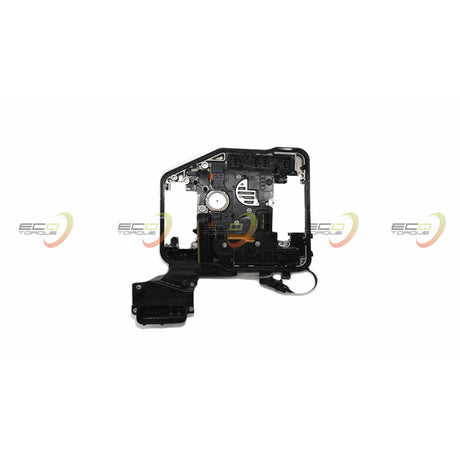
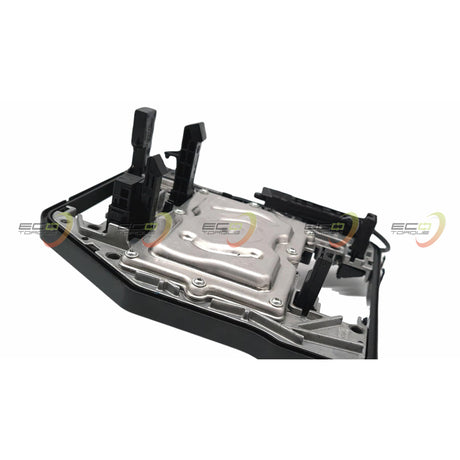
This collection is intended to group together DSG mechatronic-related products and associated transmission parts relevant to diagnosis, repair and replacement. Depending on the gearbox family, that may include complete mechatronic units, supporting components, sensors, selectors, valve bodies, TCU or TCM units, solenoids, repair kits, filters and other gearbox-specific items. The aim is to help customers browse the broader DSG category first, then move into the correct version with more confidence.
Some Genuine units are currently B2B only
Please note that some Genuine mechatronic units within this range may be available on a business-to-business basis only depending on version and application. If you are a workshop, garage or trade buyer and would like to enquire about a Genuine unit, please contact Eco Torque directly. Retail customers can still browse the wider range for other relevant products and supporting components.
How to identify the correct DSG part
Correct identification is important before ordering any DSG mechatronic part. Matching by appearance alone is not always enough, especially where there are multiple revisions, closely related versions or different gearbox families with similar-looking components. The best starting points are the gearbox code, part number, fault details and any clear images available. The more information you can compare before purchase, the easier it is to narrow down the correct option and avoid ordering the wrong item.
Could the fault be something other than the mechatronic?
Yes. Not every DSG gearbox issue automatically means the mechatronic itself is the root cause. Some faults can overlap with sensors, selectors, wiring, clutch-related issues, oil contamination, filter problems or other supporting components. That is why this collection should be used as a broader gearbox-family landing page to help guide the buying journey, rather than as proof that every symptom points to one specific part.
Repair or replacement?
The right route depends on the gearbox family, the fault pattern, the diagnosis already carried out and which component has actually failed. Some jobs may require a complete mechatronic-related solution, while others may only require a supporting part within the wider system. This page is designed to help make that process easier by grouping the most relevant DSG mechatronic products together in one place before you move into a more specific collection.
Coding, setup and installation considerations
Some DSG-related replacements may require coding, adaptation, setup procedures, programming or application-specific checks depending on the part being fitted and the installation route being taken. It is important not to assume that every replacement is simply plug-and-play. Where there is any uncertainty, it is always better to confirm installation requirements before ordering.
Need help choosing the right DSG part?
If you are unsure which DSG mechatronic unit or related component is right for your gearbox, contact Eco Torque before ordering. The most useful information to provide is the gearbox code, part number, fault details, symptoms and clear photos where possible. This makes it much easier to narrow down the correct option and point you towards the most relevant gearbox-specific collection or product.



 8% off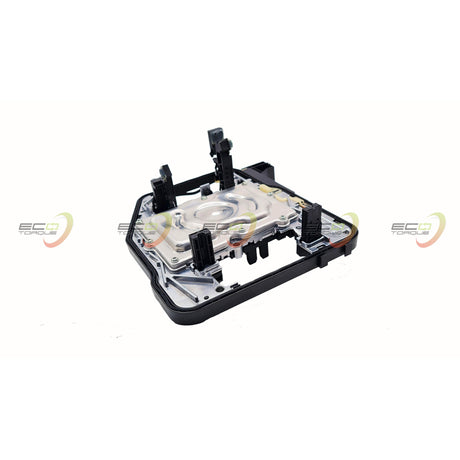
 Sold out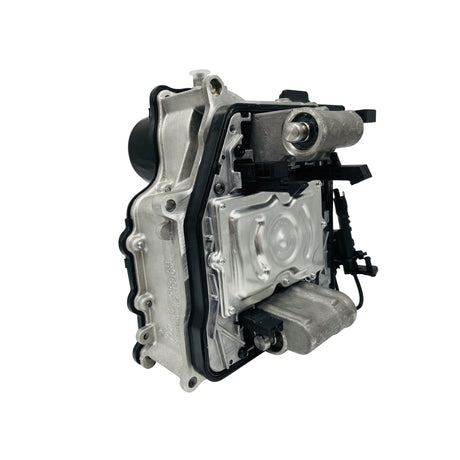
 Sold out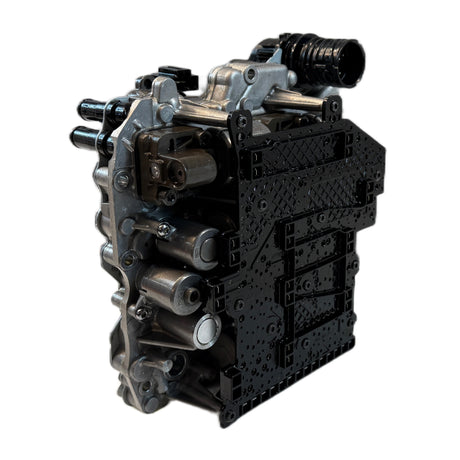
 7% off


